


What is Ramie? A Journey Through Its History, Properties, and Uses in Textiles
When thinking of natural fibers, cotton, linen, or wool likely come to mind first. However, ramie, a plant-based fiber with deep historical roots, is steadily making a name for itself in sustainable and high-performance textiles. Derived from the Boehmeria nivea plant, ramie offers a blend of strength, durability, and eco-friendliness, making it a valuable yet underutilized resource in modern textile production.
A Glimpse into the History of Ramie
Ramie has been used in textiles for thousands of years. Its use can be traced back to ancient China, where it was valued for its natural luster and durability. It was also used in Egypt to wrap mummies, testifying to its incredible preservation properties. In more recent history, ramie has been employed in Asia, particularly in Japan and Korea, for high-quality textiles and garments.
Despite its long history, ramie is often overshadowed by other natural fibers like cotton or silk in the global textile industry. This is partly due to the complex processing required to transform the raw fibers into usable fabric, which makes it more labor-intensive compared to alternatives.
Understanding the Ramie Plant
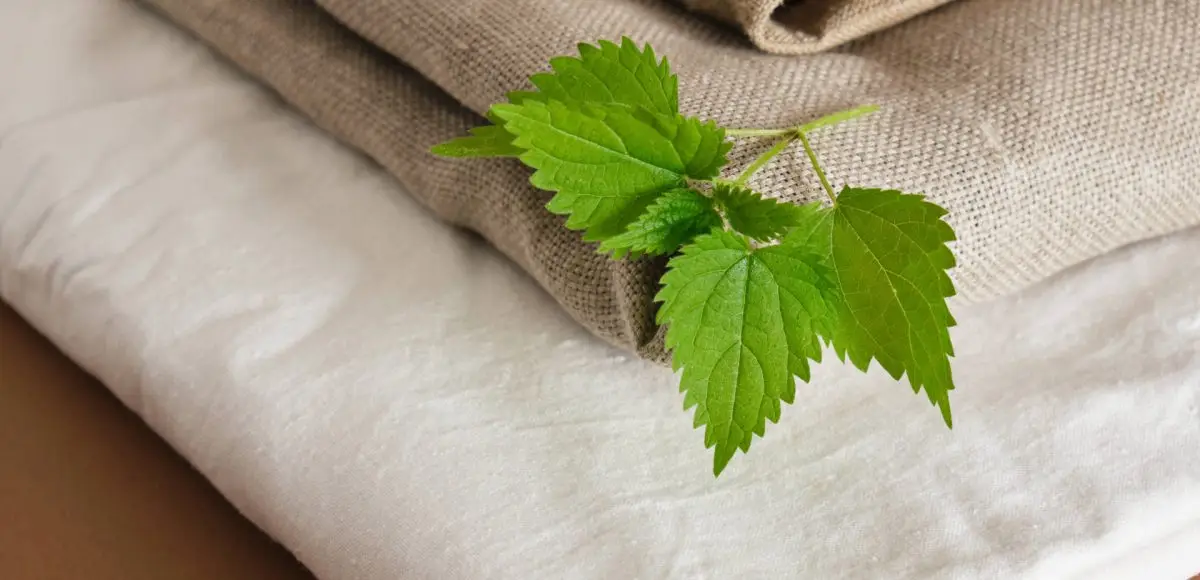
Ramie comes from the plant Boehmeria nivea, part of the nettle family, and is native to East Asia. The plant thrives in hot, humid climates and can grow several feet tall, often up to 1.5 meters in height. It’s a perennial crop, which means it can be harvested multiple times a year without the need for replanting, making it a renewable and environmentally friendly source of fiber.
The valuable part of the plant is its bast fibers, which are found in the bark. These fibers are extracted through a process called decortication, where the bark is stripped off and the fibrous material is separated from the plant’s woody core.
How Ramie Is Turned into Fabric
The process of turning ramie fibers into fabric is more complex than it might seem. After the decortication process, the fibers are degummed to remove any natural adhesives or gums that hold them together. Traditionally, chemical methods were used to degum the fibers, but more sustainable practices, such as enzyme-based biodegumming, are gaining popularity. These processes help maintain the natural integrity of the fibers while reducing environmental impact.
Once degummed, the fibers are spun into yarn and woven into fabric. Ramie fabric is known for its lustrous, silky appearance and can be blended with other fibers like cotton, silk, or wool to create various textures and strengths.
The Uses of Ramie in Textiles
Ramie’s use in textiles extends far beyond just clothing. It is often found in home furnishings like curtains, upholstery, and tablecloths due to its strength and natural sheen. In the fashion industry, ramie is gaining popularity in eco-friendly fashion lines that prioritize sustainability. The fabric is breathable, lightweight, and comfortable, making it ideal for summer clothing.
Moreover, its resistance to bacteria, mildew, and insect damage, combined with its ability to retain shape and reduce wrinkling, makes it a practical choice for garments requiring long-term durability. In addition, ramie’s ability to blend well with other natural fibers has allowed it to carve a niche in producing blended textiles that offer a balance between sustainability and performance.
Mechanical Properties: Ramie vs. Cotton
One of the most notable features of ramie is its exceptional strength. It is one of the strongest natural fibers, even when wet. In fact, ramie is 8 times stronger than cotton and has a tensile strength comparable to that of steel. Its fibers are also much more rigid, offering a sturdy texture.
In comparison, cotton is softer and more flexible but weaker in terms of tensile strength. Cotton tends to wear out faster, especially when exposed to moisture. Ramie, on the other hand, holds its structure well, even after repeated washing, making it a great material for items that require longevity, such as durable fabrics and industrial-grade textiles.
Ramie also absorbs moisture well, dries quickly, and maintains its shape better than cotton, reducing the likelihood of shrinkage after washing. These properties make ramie an excellent choice for warm-weather garments, as the fabric can keep the wearer cool while providing long-lasting durability.
Conclusion: The Future of Ramie in Textiles
Ramie (Boehmeria nivea) is a remarkable natural fiber with ancient roots and modern potential. Its combination of sustainability, strength, and versatility makes it an attractive option for both consumers and manufacturers. While the complexity of processing has historically limited its widespread use, innovations like enzyme biodegumming are paving the way for greater adoption.
As the world shifts towards more sustainable materials, ramie is well-positioned to play a key role in the future of eco-friendly textiles. Its unique properties and benefits over other natural fibers like cotton make it an ideal choice for those looking to reduce their environmental impact without sacrificing quality or performance.
Komodra Business Group specializes in producing premium fabrics from ramie fiber, utilizing modern enzyme-based processes to create textiles that are not only stronger than cotton but also environmentally responsible. Explore our collection and discover the sustainable future of fashion with Komodra.
Leave a Comment